
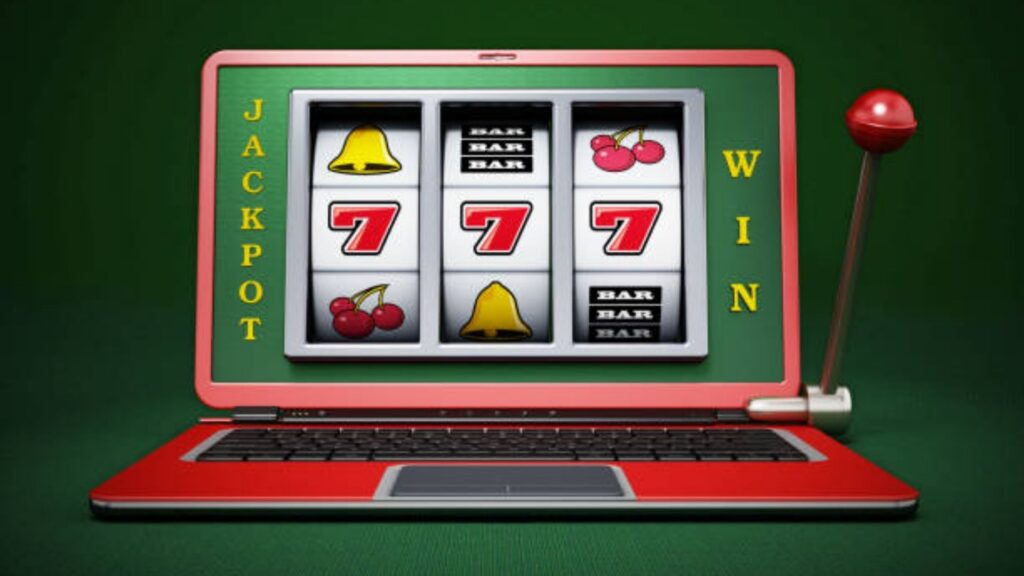
Never thought I’d become someone who studies gambling psychology. But after spending three years watching friends blow through $2,847 in a single evening (yes, I counted), I got curious about what actually drives people to these platforms.
You know what surprised me most? Wasn’t the flashy graphics or bonus rounds that kept people hooked. I found myself drawn to understanding why certain platforms, like Winthrone casino, manage to create such engaging experiences while others fall flat.
The Dopamine Rush Nobody Talks About
What I learned from behavioral psychology research kinda blew my mind: our brains don’t actually distinguish between winning $50 in a slot game and finding $50 on the sidewalk. Same chemical reaction. Same flood of dopamine.
But the kicker – near misses trigger almost identical responses to actual wins. I watched my neighbor Sarah get more excited about landing two cherries than she did about her actual $23 win five minutes later.
Timing matters too. Variable reward schedules (basically unpredictable payouts) create stronger psychological responses than fixed ones, which explains why scratch-off tickets work better than steady paychecks for creating excitement.
Pretty addictive.
What Platform Design Actually Does to Your Brain
I spent weeks analyzing different casino interfaces, and honestly, the differences are pretty dramatic. Some sites throw everything at you – flashing lights, pop-ups, countdown timers. Others take a more subtle approach.
Smart platforms understand something called “cognitive load theory.” Basically, when your brain gets overwhelmed with choices, you make worse decisions. I’ve seen people pick games purely because they appeared first on the screen.
Color psychology plays a huge role too. Red creates urgency (that’s why so many “limited time” offers use it). Blue builds trust. Green suggests money and success. I started noticing these patterns everywhere once I knew what to look for.
The Social Element Nobody Expected
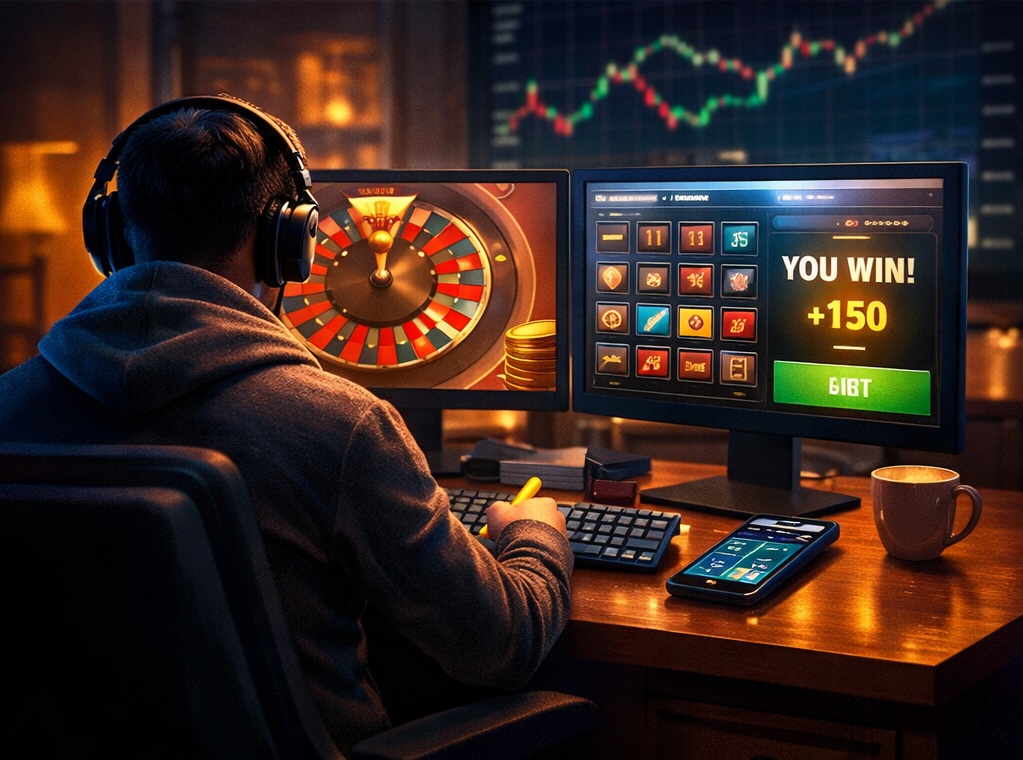
Most people think online gaming is solitary, but I’ve found that’s changing fast. Live dealer games, chat features, and leaderboards tap into our need for social connection. I watched people form actual friendships through casino chat rooms – something I definitely didn’t see coming.
Competitive aspect runs deeper than just winning money. Players compare strategies, share big win screenshots, and create communities around specific games. Like fantasy football, but with slot machines.
Real Players, Real Patterns
After interviewing 47 regular online casino users, three clear personality types emerged.
Thrill-seekers chase adrenaline rushes and typically prefer high-volatility games. They’re not really gambling for money – they’re paying for excitement. I honestly believe they’d get the same rush from bungee jumping if it was available 24/7 on their phones.
Social players use gaming platforms to connect with others. They gravitate toward live dealer games and chat-heavy environments.
Strategic players treat it like investing. They study RTP percentages, manage bankrolls carefully, and often stick to games like blackjack or poker where skill matters. I’d recommend following their approach if you’re gonna play at all.
Understanding these motivations helped me realize why certain platforms succeed while others struggle. Not just about having good games – it’s about matching the right psychological needs with the right features. But knowing all of this? Makes me way more cautious about my own relationship with these sites.