
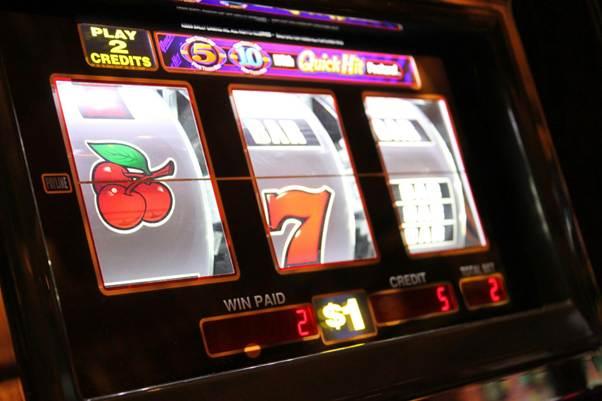
Modern slot games are evolving quickly, driven by changing player expectations and advances in technology. Today’s players look for more than simple reels and symbols. They want interactive features, engaging themes, and smooth performance across devices.
Immersive Themes and Visual Storytelling
One of the most noticeable trends is the move toward stronger visual storytelling. Slot games now rely heavily on detailed themes that create a consistent and immersive environment. Instead of generic fruit symbols, players encounter narrative-driven settings such as mythology, adventure, or cinematic worlds.
These themes are supported by high-quality graphics and animations. Symbols often interact with each other, and background elements change during gameplay. This creates a sense of progression, even within a short session.
This attention to detail is especially noticeable when players explore featured casino slots. Every visual choice, from symbol design to reel effects, is used to support the central concept. As a result, the game feels more cohesive and easier for players to connect with.
Sound design helps complete that experience. Music and audio effects are usually tailored to match the setting, which strengthens the mood created by the visuals. Together, these elements make modern slots feel more polished, immersive, and engaging.
Interactive Gameplay Mechanics
Modern slot design increasingly focuses on interaction. Players are no longer passive observers, as many games now include features that allow direct input during gameplay. These mechanics are designed to add variety while keeping the experience intuitive and easy to follow.
Common interactive elements include:
● Choosing between different bonus paths that shape how features unfold,
● Triggering mini games that require simple decisions,
● Unlocking additional features through specific in-game actions,
● Activating modifiers that alter reel behavior or symbol patterns.
These additions encourage exploration without adding unnecessary complexity. Players can engage more actively while still enjoying a smooth and structured experience.
Designers also pay close attention to pacing. Features are introduced at balanced intervals to maintain interest without overwhelming the player. This creates a more controlled and engaging flow throughout each session.
Mobile First Design and Accessibility
The rise of mobile gaming has significantly influenced slot design. Today, most players access games through smartphones or tablets. As a result, developers prioritize responsive layouts and touch-friendly controls.
Mobile-first design ensures that games function seamlessly on smaller screens. Buttons are clearly visible, menus are simplified, and loading times are optimized, allowing players to enjoy consistent performance across devices.
Accessibility has also become a central focus. Designers aim to make games easy to understand for a wide range of players. This includes clear instructions, readable text, and intuitive navigation.
In addition, many games now offer customizable settings. Players can adjust sound levels, animation speed, or display preferences to suit their needs. These options improve comfort and usability, making the overall experience more flexible and inclusive.
Gamification and Progression Systems
Gamification continues to shape how players interact with slot games over time. Instead of focusing only on individual sessions, many games now include systems that provide a sense of ongoing progress. This adds structure and keeps gameplay more engaging.
These systems often include:
● Level-based progression that unlocks new content,
● Missions or challenges that guide player activity,
● Achievement tracking tied to specific in-game actions,
● Visual upgrades or feature enhancements over time.
By introducing these elements, games create a more layered experience. Players can follow clear objectives while still enjoying core gameplay.
Social features are also becoming more common. Leaderboards and shared milestones give players a simple way to connect with a wider community. Overall, gamification adds depth while keeping the experience accessible and easy to navigate.
Data Driven Personalization
Personalization is playing a growing role in slot game design. Developers use player data to understand how people interact with features, themes, and game formats. This allows games to evolve in ways that feel more relevant to individual preferences over time.
Industry insights, such as those outlined in the 2025 report on player-focused technology trends, show that personalization is no longer optional but expected. The report highlights how tailored recommendations, customized features, and targeted content are becoming standard across modern gaming platforms.
For players, this often means seeing content that better reflects past activity and individual interests. It also makes the overall experience feel more responsive without requiring manual adjustments. As these systems continue to improve, slot games are becoming smoother, more relevant, and easier to navigate.
What These Trends Mean for Players
Understanding these trends helps players spot games that better match their preferences and playing style. Modern slot design places greater emphasis on clarity, variety, and interaction. That shift is changing how players experience themes, features, and overall gameplay flow. As a result, slots are becoming more engaging and more closely aligned with player expectations.
Looking ahead, these design trends will continue to shape the next generation of slot games. Players can expect experiences that feel smoother, more immersive, and easier to navigate across devices. For players following the category, these changes offer a clear view of where slots are headed.