
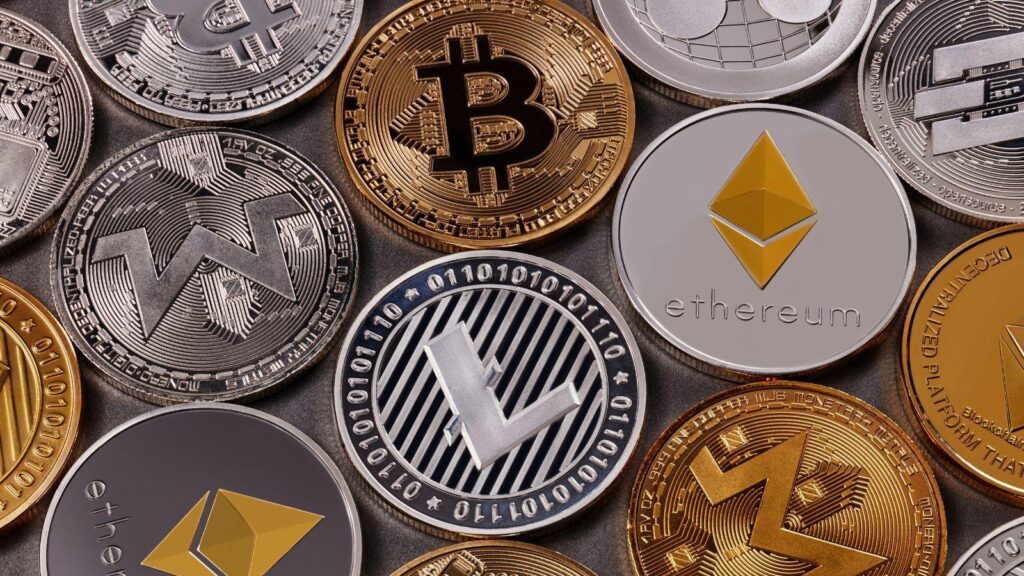
Why Litecoin Is Quietly Becoming the Preferred Payment Rail for Digital-Native Transactions
By Ravi K. | Crypto payments researcher and fintech analyst, 6 years covering Layer-1 infrastructure. Written June 2026.
Bitcoin gets the headlines. Ethereum gets the developer mindshare. Litecoin, meanwhile, just keeps processing transactions.
That’s not an accident. While crypto Twitter argues about L2 rollups and ETH staking yields, a quieter story has been playing out at the payment layer: Litecoin has become the coin merchants actually use to settle real-money transactions at scale. Not because of hype. Because of arithmetic.
The case rests on three things: block time, fee structure, and protocol maturity. Get those three right for a payments use case, and everything else. Ecosystem fit, merchant adoption, wallet support. Tends to follow. Litecoin has quietly gotten all three right, and 2026 is the year that’s starting to show up in the data.
The Platforms Adopting LTC First
When a payment rail gains traction, it rarely starts with the biggest platforms. It starts with digital-native verticals where speed and fee transparency matter more than brand recognition of the underlying coin: web hosting, VPN subscriptions, digital content platforms, proxy services, and competitive gaming environments.
According to Plisio’s 2026 payment gateway analysis, digital-native verticals including web hosting, proxies, and gaming account for roughly 70% of active LTC merchants globally. That concentration isn’t random. These are sectors where a $2 to $25 Bitcoin transaction fee kills the unit economics of a $10 or $15 purchase, and where a user waiting 10 minutes for a confirmation has already bounced.
Gaming and competitive entertainment platforms are a strong example. Fast-settlement crypto deposits directly affect user experience in real-money digital environments. A pending transaction that takes eight minutes kills momentum in a way that a 25-second LTC confirmation simply doesn’t. Esports GG documents how this plays out in practice across litecoin-accepting gaming platforms, tracking withdrawal speeds and fee transparency that most crypto coverage ignores. It’s the kind of ground-level reporting that shows where LTC’s architectural advantages translate into actual product decisions.
Gambling involves risk. Please play responsibly and only wager what you can afford to lose. If gambling becomes a problem, visit BeGambleAware.org or call 1-800-GAMBLER.
The Technical Case: Block Time, SegWit, and MimbleWimble
Litecoin’s 2.5-minute block time is the foundation. Everything else builds on it.
For comparison, Bitcoin’s 10-minute average means a standard 1-confirmation wait runs roughly 10 minutes on a good day, longer when mempool congestion spikes. Litecoin’s four-times-faster block cadence means 1-confirmation finality typically lands inside 2.5 minutes. In practice, many LTC-accepting platforms treat zero-confirmation transactions as sufficient for smaller amounts. Bringing effective settlement time down to under 30 seconds for typical digital purchases.
SegWit adoption, activated on Litecoin in May 2017 (well before Bitcoin’s August 2017 activation), reduced transaction weight and opened the door to Lightning Network-style payment channels on LTC rails. The practical result: batched transactions and off-chain micropayments became viable without requiring smart-contract infrastructure. That matters for subscription platforms processing hundreds of small transactions per day.
Then there’s MimbleWimble. Litecoin’s MimbleWimble Extension Blocks (MWEB), activated in May 2022, added optional transaction confidentiality. Amounts and addresses can be obscured on-chain without requiring a separate privacy coin. For B2B payment processors and platforms handling sensitive commercial transactions, this is meaningful. Not because they’re hiding anything nefarious, but because commercial payment privacy is a legitimate requirement in most jurisdictions. The feature hasn’t been widely covered, but it represents a genuine protocol upgrade that most of Litecoin’s Layer-1 peers don’t have.
What the Transaction Data Actually Shows
Opinion is cheap. Transaction counts aren’t.
BitPay’s data, cited by the Litecoin Foundation’s 2025 year-in-review, shows Litecoin consistently ranking in the top three cryptocurrencies by transaction count, accounting for 20 to 30% of all non-stablecoin payments processed on the platform throughout 2025. That’s a striking number for a coin that most crypto commentators have written off at least twice in the past four years.
The 2024 data told a similar story. Earlier BitPay reporting showed Litecoin accounting for approximately 37% of all cryptocurrency transactions processed that year. Ahead of both Bitcoin and Ethereum by volume of individual transactions. Not by dollar value, which Bitcoin still dominates through large institutional moves, but by raw transaction count. That’s the payments metric that matters.
This isn’t the profile of a speculative asset. It’s the profile of working infrastructure.
Fee Structure and the Merchant Calculus
Here’s the number that drives merchant adoption: Litecoin transactions typically cost between 2 and 15 cents. Bitcoin transactions, depending on mempool conditions, routinely run $2 to $25. Ethereum gas fees have been lower since the Merge, but L1 ETH transactions still spike unpredictably during network congestion.
For a merchant running a $15 digital subscription, paying $5 in Bitcoin fees to process it isn’t viable. The math doesn’t work. Paying 8 cents in LTC fees absolutely does.
The institutional framing matters here too. As crypto adoption matures, the distinction between speculative assets and payment rails is sharpening. Analysts at CoinDesk noted in their 2025 crypto outlook that regulatory clarity and real-world utility infrastructure would increasingly separate coins that function as stores of value from those that function as payments networks. Litecoin is positioning clearly on the payments side of that divide.
Stake, the crypto gambling brand that became Astralis’s main shirt sponsor in early 2026, runs LTC deposits as a first-tier option alongside BTC and ETH. That’s not a coincidence. It reflects exactly the merchant calculus above. Lower fees, faster confirmation, no smart-contract overhead.
Protocol Maturity and the Risk Nobody Talks About
There’s one advantage Litecoin has that rarely gets acknowledged: it’s boring. And boring, in payment infrastructure, is a feature.
Litecoin has had one codebase since 2011. No major smart-contract exploits. No founder drama. No VC unlocks creating sell pressure on the protocol layer. The network has never experienced a consensus failure. For payment processors evaluating integration risk, that track record matters more than any theoretical throughput advantage a newer chain might claim.
Ethereum’s ecosystem is more capable, but it’s also more complex. Every added capability is an added attack surface. For a use case as narrow and well-defined as “move value from A to B in under 30 seconds for less than a dime,” that complexity is overhead, not benefit.
Charlie Lee’s original design philosophy. Litecoin as the silver to Bitcoin’s gold. Was always more about velocity and accessibility than store-of-value properties. That framing looked naive when DeFi and NFTs were capturing attention. In a 2026 environment where institutional investors are reshaping the crypto market and demanding settlement certainty, the philosophy looks prescient.
Payments infrastructure doesn’t need to be exciting. It needs to be reliable, cheap, and fast. Litecoin is all three.
Where LTC Fits in a Multi-Chain Payment Stack
No serious payment operator runs a single-chain stack. The realistic picture is LTC for fast, low-cost consumer-facing transactions; USDT or USDC on Tron or Ethereum for large-value stablecoin settlements; and BTC for high-value store-of-value transfers where fees are acceptable relative to transaction size.
Litecoin’s role in that stack is specific and defensible. It’s not trying to be a DeFi platform. It’s not trying to be a smart-contract execution environment. It’s trying to be the fastest, cheapest way to move $5 to $500 worth of value between two parties without a bank in the middle.
For that use case, the current state of crypto infrastructure doesn’t have a clearly better option. Lightning Network on Bitcoin can theoretically match LTC’s speed, but channel management complexity and liquidity requirements make it a poor fit for merchants without dedicated technical resources. Solana is fast but has experienced enough outages to make risk-averse payment processors nervous. Layer-2 solutions on Ethereum add smart-contract dependency.
Litecoin just works. Consistently. For the specific job it’s optimised for.
The platforms adopting it first are the ones where that reliability has the clearest value. As those verticals scale, the case for Litecoin as the default payment rail for digital-native commerce gets stronger, not weaker. And given that the intersection of crypto payments and digital entertainment is one of the fastest-moving adoption fronts in 2026, LTC’s momentum looks less like a quiet story and more like the early signal of something larger.
Frequently Asked Questions
Why is Litecoin faster than Bitcoin for payments?
Litecoin’s block time is 2.5 minutes compared to Bitcoin’s 10-minute average. That means a single-confirmation transaction typically finalises four times faster. For small, everyday digital purchases, many platforms also accept zero-confirmation LTC transactions, bringing effective settlement to under 30 seconds in practice.
What is MimbleWimble and why does it matter for Litecoin payments?
MimbleWimble Extension Blocks (MWEB), activated on Litecoin in May 2022, add optional transaction confidentiality. Users can obscure amounts and addresses on-chain. For businesses requiring commercial payment privacy, this makes LTC more viable without forcing adoption of a dedicated privacy coin with thinner liquidity.
How much does a Litecoin transaction actually cost in 2026?
Typical LTC transaction fees run between 2 and 15 cents, depending on network load. Bitcoin fees range from roughly $2 to $25, and Ethereum L1 fees can spike higher during congestion. For merchants processing frequent small-value digital transactions, Litecoin’s fee structure is materially better than either alternative.
Is Litecoin widely accepted by digital merchants?
Yes, more than most people expect. BitPay data showed LTC accounting for 20 to 30% of all non-stablecoin payments processed on the platform throughout 2025. Digital-native verticals including gaming, web hosting, and content platforms make up the majority of active LTC merchants, precisely because the fee and speed profile fits their transaction profiles.
Does Litecoin have smart-contract capability like Ethereum?
No, and that’s partly the point. Litecoin’s codebase is intentionally narrow: fast, low-cost, Layer-1 value transfer. It lacks Ethereum’s programmability but also lacks Ethereum’s execution complexity and attack surface. For pure payment use cases, that trade-off consistently favours Litecoin.