
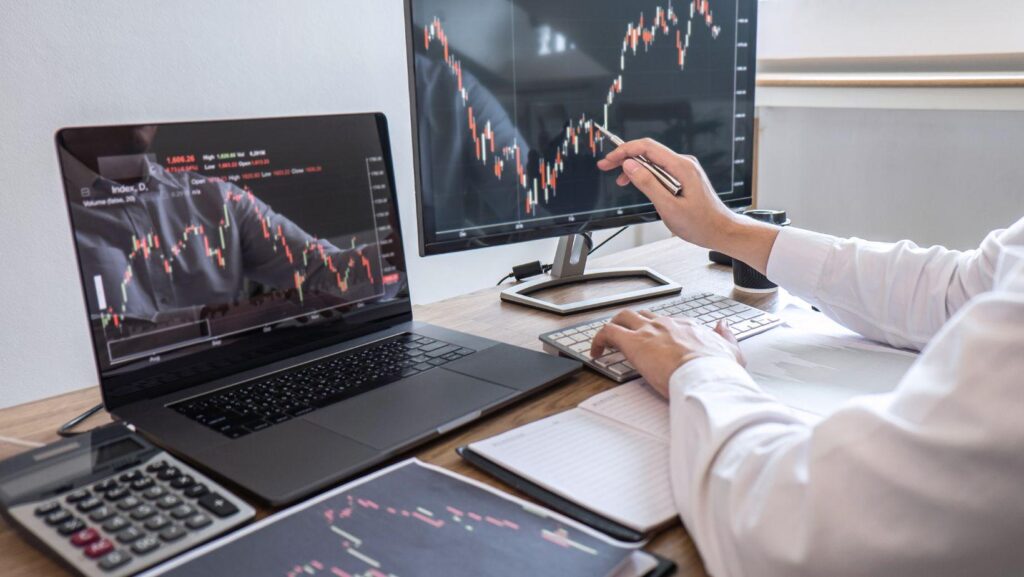
All retail traders wish to unveil a secret indicator or an impeccable algorithm for market success. The professionals consider every trade like a data point in a consistent scientific experiment. They meticulously examine the happenings and move on to the next ticket after earning a profit or suffering a loss. The foundation of this discipline includes maintaining a proper investment journal (learn more at https://finbotica.com/investment-journal/) that financially reflects both psychological downfalls and strategic implementation. Understanding how professional investors learn from every trade shows why the top tier repeatedly outdoes the crowd. It boils down to a repeatable and structured review that distinguishes skills and good fortune.
Here are the ways professional investors learn from every trade:
Evaluate the Execution
A trade isn’t done when the position gets closed for professionals. The work starts on the post-mortem stage. An amateur checks only the P&L statement, while an expert assesses the implementation against the original thesis. A professional documents the parameters, macro conditions, position sizing, entry triggers and exit targets when starting a trade. They perform a variance analysis once the trade finishes. If a trade underperforms or fails, they find out if it failed due to flawed analysis or an unpredictable event. Investors ensure they win because of efficiency rather than chance.
Distinguish Process and Results
Professional investors have a hard time accepting that a winning trade can be bad and losing trade can be good. This concept is known as distinguishing the process from the results. For instance, an investor breaks the risk management rules, takes an enormous position on a hypothetical technological stack depending on a rumor and can double their money overnight. A professional considers it as a critical breakdown in discipline, which threatens their existence. While, an amateur considers it a big win. The pro considers it as a positive trade if they enter a detail-researched position with a stringent 2% stop-loss and a sudden regulatory shift that hits the stock the next morning, which causes loss. They perfectly follow the risk protocols. The pros learn to reward good trade processes and penalize bad trade activity irrespective of the instant financial output.
Track Emotional and Psychological Status
The trading market evokes different emotions in professionals and they aren’t immune to FOMO, greed, or fear. The professionals can actively track their emotional conditions to prevent them from degrading their portfolios. The great investors consider their psychological condition at the time of entrance and exit during the review. The investors find out if they were feeling rushed or attempting to “revenge trade” to recover losses from a past bad trading session. The trading patterns emerge by cross-referencing emotional conditions with trade activities. An investor may realize they keep losing money on trades performed in the last 30 minutes of the open market or that their win rate declines when they scale into a position by being impatient. Identifying such internal triggers helps them to design guardrails, such as essential cooling-off periods or automated trading rules.
Continuously Improve Data-Driven Elements
Trading experts gather quantitative and qualitative data to do little adjustments to their wider trading patterns. They manage their trading records like an official balance sheet and audit it quarterly/yearly. The professionals consider the following metrics:
Professional investors know they should tighten their stop-losses or let their winners run longer if the data reveals that their average loss is more than their average win. Such critical modifications would be nothing more than guessing activities with no systematic reviews.
The Bottomline
So, now you know how professional investors learn from every trade. The gap between professional and retail investors is the commitment to self-education via execution and not access to capital data feeds. Professionals can remove ego and replace it with real statistics by considering every trade as a lesson. Stop looking for the next lucrative stock tip if you want to invest like an expert. Start checking your data, document your trading journey, and transform all market interactions into a financial education investment.