
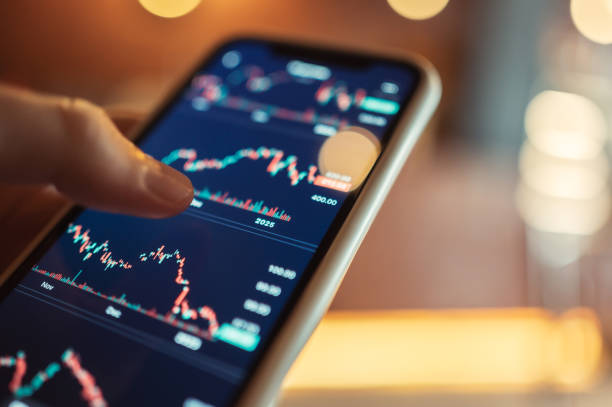
A currency quote shows a bid and an ask, and the difference between them is described as the cost of trading. That figure is easy to compare across providers, which is why it dominates marketing material.
It also describes the best case. The quoted spread applies at a particular moment, in a particular size, under particular conditions, and a trade executed at a different moment or in a different size pays something else.
The gap between those two numbers is where most trading costs actually live, and it is measurable if a trader knows what to compare against.
What Makes Currency Costs Harder to Pin Down
Guides aimed at understanding forex usually quote spreads in pips and leave it there. The structure of the market makes that incomplete in a specific way.
Unlike an exchange-traded instrument, currencies trade through a decentralised network of counterparties. There is no single consolidated price feed, and liquidity providers set their own quotes independently. What one participant sees as the spread at a given moment is not necessarily what another sees.
The consequences:
Explicit and Implicit Costs
The standard framework separates costs into two categories, and the less visible one usually matters more.
Educational material on the subject sets out that transaction costs are grouped into explicit components that are transparent and directly observable, such as commissions and fees, and implicit components that are less visible and more difficult to quantify but often represent the largest portion of total transaction costs, including the bid-ask spread, market impact and slippage.
That ordering is counterintuitive for anyone comparing providers on commission alone. The line item that appears on a statement is generally the smaller one.
Where Each Shows Up
Explicit costs appear as charges. Implicit costs appear as a worse fill price, which is indistinguishable from ordinary market movement unless someone measures it deliberately.
That indistinguishability is the whole problem. A trader who pays two pips more than expected sees a price, not a cost.
Why Measuring the Cost Is Itself Contested
Even institutions with dedicated systems disagree on how to calculate this, which is worth knowing before treating any single figure as authoritative.
An asset manager’s analysis of the issue notes that a common remedy for the shortcomings of slippage measurement is to use the actual time the broker executed in the market as the benchmark, but that knowledge of this time is often not available to fund managers, so the methodology captures estimated costs rather than actual costs.
The same analysis notes that regulatory disclosure rules can mandate half-spreads for some purposes, creating methodological inconsistency between cost estimates made before and after a trade.
The practical implication is that the benchmark choice determines the answer. Measuring a fill against the price when the order was placed, against the price when it was executed, or against a daily average produces three different numbers for the same trade.
How to Measure Your Own
A workable approach needs only trade records and a reference price:
The fourth point tends to produce the most actionable finding. The same strategy executed during liquid hours and during thin hours can have materially different net results, with nothing about the strategy itself differing.
What This Changes
For small positions in the most heavily traded pairs during active hours, quoted and realised costs sit close together and none of this needs attention.
It matters at the margins, which is where costs accumulate. Larger sizes relative to available depth, less traded crosses, periods around economic releases, and hours when the relevant markets are closed.
A trader who has measured their own execution across a hundred trades knows something specific: what their strategy actually costs to run, as distinct from what the rate card says. That figure is the one that belongs in any assessment of whether an approach is working, and it is available from records most people already have without collecting anything new.