
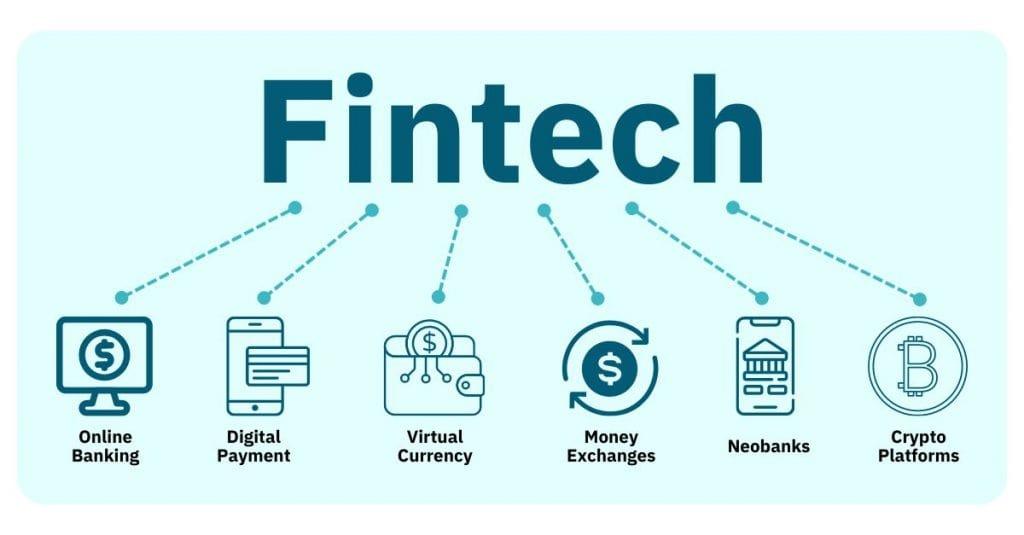
Launching a fintech product in Canada typically requires registering as a Money Services Business (MSB) with FINTRAC. However, in practice, many companies accelerate this process by combining licensing with ready-made structures and pre-built infrastructure, reducing time-to-market from months to weeks.
Why Canada Remains an Attractive Fintech Market
Canada continues to stand out as one of the more predictable fintech environments globally. A strong regulatory framework, high trust in financial institutions, and a steadily growing digital payments sector make it attractive for both startups and international companies.
According to Statista, digital payment adoption in Canada is expected to continue rising, creating sustained demand for new financial products — from payment solutions to crypto-enabled services.
Understanding the MSB Framework in Canada
For most companies, entering the Canadian fintech market starts with obtaining MSB status.
This registration allows businesses to operate in areas such as money transfers, foreign exchange, payment services, and virtual currency activities. The process is overseen by FINTRAC and includes AML/CTF compliance requirements, internal controls, and reporting obligations.
In many cases, companies begin by exploring what it takes to obtain an MSB license in Canada — including timelines, documentation, and compliance setup — before deciding on the most efficient path forward.
Why Speed Has Become a Competitive Advantage
In 2026, speed is no longer just an operational factor — it is a strategic one.
Fintech segments such as cross-border payments, crypto-fiat integration, and embedded finance are evolving rapidly. Delays in launching a product can directly impact market position and revenue potential.
This is why companies are increasingly looking beyond traditional registration processes.
A Shift Toward Ready-Made Licensing Models
One of the emerging approaches is the use of already registered entities as a starting point.
Instead of going through the full registration cycle, some companies evaluate options where an MSB license in Canada is already in place and operational. This allows them to focus on product development and go-to-market strategy rather than administrative setup.
In certain cases, this approach extends further — for example, when businesses consider acquiring an MSB license in Canada for sale as part of a faster market entry strategy. While this model requires careful due diligence, it reflects a broader shift toward efficiency in fintech launches.
Infrastructure: The Often Overlooked Layer
Even with licensing in place, launching a fintech product requires a fully functional infrastructure.
This includes systems for transaction processing, user account management, compliance checks, and integrations with payment providers. Building such an ecosystem internally can be time-consuming and technically demanding.
As a result, many companies choose to rely on existing infrastructure solutions rather than developing everything from scratch.
From Licensing to Execution: A Layered Approach
Modern fintech launches in Canada are no longer built as monolithic systems. Instead, they are structured as a combination of layers.
A licensed entity provides the regulatory foundation. Infrastructure platforms handle transactions and accounts. Compliance providers ensure adherence to regulations, while banking and payment integrations enable real-world money movement.
This layered approach allows companies to scale more efficiently and adapt to changing market conditions.
Who Is Using This Model Today
This strategy is widely adopted by companies entering the Canadian market from abroad, as well as by crypto platforms expanding into fiat services and payment providers growing their geographic reach.
In each case, the objective is the same: reduce friction between idea and execution while maintaining regulatory alignment.
Canada remains a regulated but accessible fintech market.
The key to successful entry in 2026 lies not only in understanding licensing requirements, but in choosing the right combination of licensing, infrastructure, and operational strategy.
Companies that approach fintech as a system — rather than a single process — are better positioned to launch faster and scale sustainably.