

Over the last decade, smartphone-optimized bookmakers have confidently become the industry’s leaders, setting aside traditional desktop platforms. Modern users no longer want to stay in one place and prefer a dynamic experience of on-the-go betting. Operators are forced to adapt to the new realities, providing customers with everything they need and even more. Today’s players expect speed, convenience, and personalized experiences, which fit the smallest devices. How do mobile sportsbooks address this point? Track the evolution of the niche entertainment that has already become global, and never underestimate the work that has already been done.
The Early Days of Mobile Betting
When mobile betting first appeared, it was far from the sophisticated experience we now enjoy. Operators typically offered adapted sites that were initially designed for larger screens. Of course, it was impossible not to notice bugs, errors, and the lack of speed on these platforms, but users were still inspired by the chance to place sports predictions from any spot in the world. This era of mobile wagering was characterized by fewer options, slow loading times, and limited compatibility across devices, with the early features including:
- Basic lists of disciplines and odds on limited events
- Simple bet slips for primitive single and accumulator wagers
- SMS-based sign-up and WAP interfaces
- Lack of live data and on-site personalization
While punters still enjoyed their on-the-go experiences, technologies have never stopped developing, and bookmakers received multiple innovative opportunities to expand their offers. In the early days of mobile betting, accessibility was the primary priority, but as the industry advanced, players’ preferences shifted towards better services and enhanced experiences.
The App Boom for Better Compatibility
As web-based browser versions are still available and frequently chosen by betting fans, the evolution of mobile applications changed the market once and forever. As smartphones became mainstream, an increasing number of operators released their software and encouraged users to download a perfectly compatible application that suited their particular operating systems. Native apps introduced significantly smoother navigation, faster loading times, and the ability to integrate features directly with the device.
Dedicated iOS and Android software that offer clean UX, push notifications, and many other benefits made punters fall in love with this opportunity and interact with the 1xBet bookmaker from the smallest screens more often. This period quickly became the basis of the industry’s future, placing wagering apps at the top. Players were no longer just placing bets; instead, they got the chance to interact with brands through engaging mobile environments that encouraged daily use.
Live Betting and Real-Time Data
Many punters prefer to avoid pre-match predictions due to the lack of data. The next major point in mobile betting evolution is marked by the rise in live technologies. Many bookmaker apps began offering the possibility of wagering during the game, which provided players with more information for analysis and well-thought-out decisions. Punters no longer rely on their intuition or support for a specific team, instead focusing on recent performance, athletes’ conditions, venues, and so on.
Many operators place the most relevant details in their mobile apps and platforms. To achieve this goal, companies heavily invest in high-speed data feeds, live statistics, match trackers, and automated odds’ calculation. Many of these features are powered by AI in 2025, which simplifies work for the online sportsbook and makes customer experiences more advantageous and speedy.
The Rise of Micro-Betting
Predicting the final match outcome is among the most popular betting markets available in modern mobile sportsbooks. However, this option isn’t exciting when a user continuously wagers on the same. To bring more diversity, operators heavily invest in micro-betting opportunities, allowing punters to wager on almost everything during a thrilling competition.
This encourages dynamic betting sessions on smartphones: users place a prediction when the tournament is ongoing and get the result within minutes. Instant gratification has always been the basis of the iGaming sector, which is highly in demand with the development of in-play wagering features. Currently, this innovation is no longer optional, so an increasing number of digital bookmakers offer it to their members.
Personalization: The First Step to Smart Betting Experiences
Receiving the simplest betting opportunities and primitive bonuses is no longer exciting for mobile punters, who are already spoiled by massive choices. On the contrary, users anticipate an individualized approach. Online bookmakers actively integrate personalization tools to provide their customers with a better experience. For instance, AI and Machine Learning are used by numerous mobile applications with broad audiences. This technology helps operators instantly analyze user preferences and previous choices to offer personalized layouts, recommended content, and exclusive bonuses.
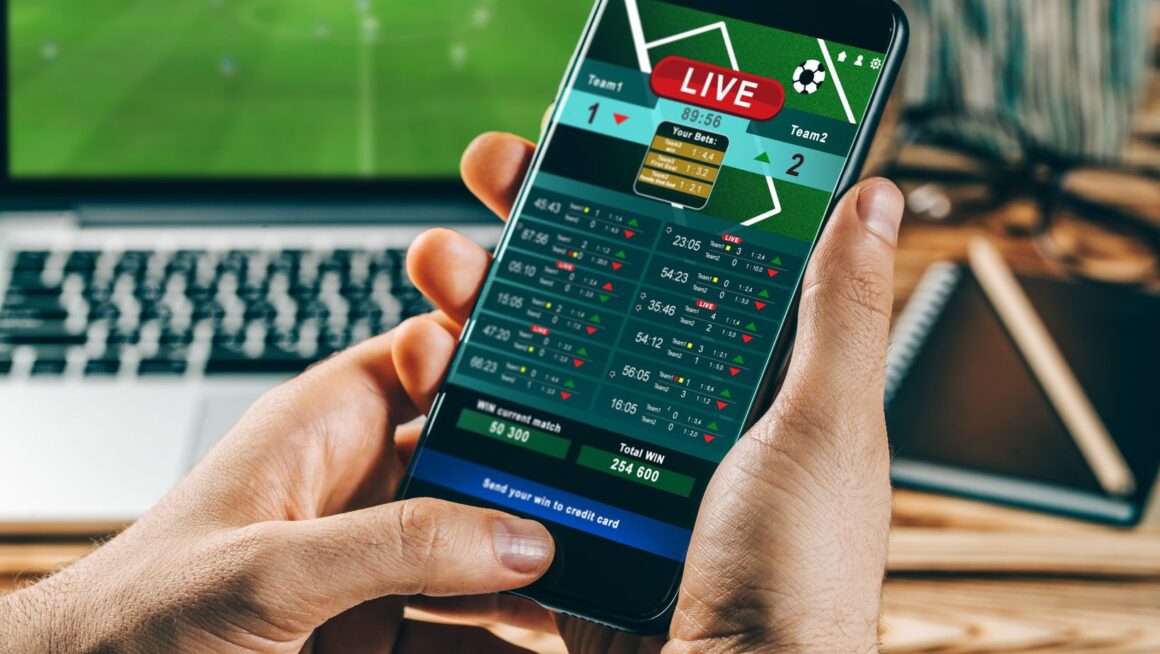
If a punter has mostly placed predictions on football, they will receive alerts about upcoming matches in this discipline or odds updates during the game. Behavioral analytics also help detect risky wagering patterns, flag potentially harmful activity, and offer tools such as deposit limits or cooling-off periods. This feature allows for the creation of a sustainable ecosystem where players can enjoy unlimited fun with the feeling of control over their actions.