
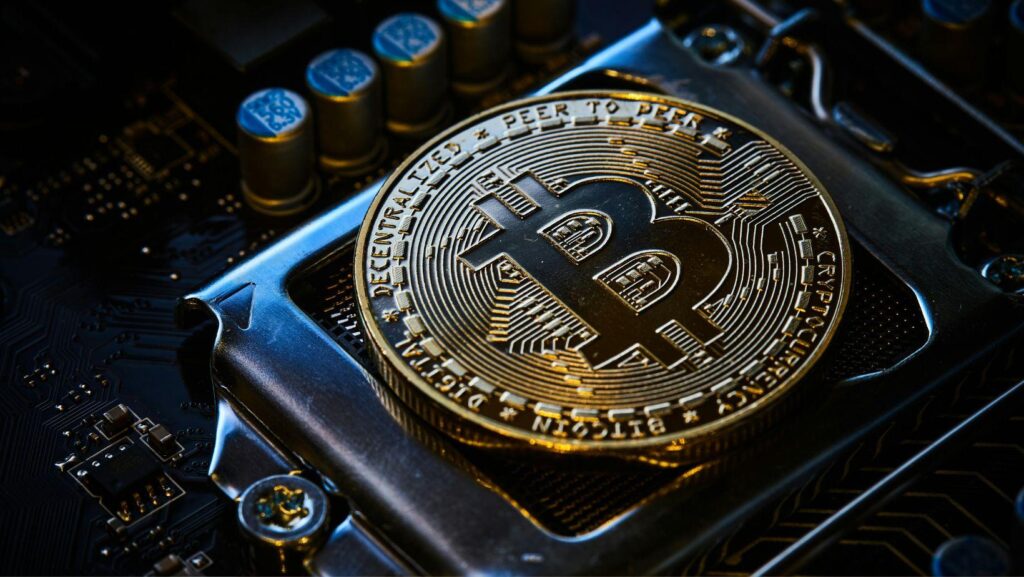
Blockchain entertainment uses public networks to support games, collectibles, casino rewards, loyalty systems, and digital items. That setup gives users direct control over tokens and transfers, but it also moves more responsibility to the person holding the keys.
A player reading a crypto casino bonuses guide before claiming rewards should treat account protection as part of the entertainment experience. A small bonus, NFT item, or game token loses value fast if the address, seed phrase, or device setup is weak.
Wallet Basics in Digital Entertainment
Blockchain-based products use addresses, private keys, confirmations, and network fees instead of traditional account balances alone. Users interact through apps, browser extensions, hardware devices, casino cashiers, token marketplaces, and game-linked reward systems.
Hot and Cold Storage
Hot storage stays connected to the internet through a browser extension, mobile app, exchange account, or platform account. It works well for small transfers, daily claims, and quick game payments, but exposure rises when the same device handles email, Discord, social links, and promotional pages.
Cold storage keeps private keys offline through a hardware device or other offline method. Serious users keep larger balances away from daily entertainment accounts because a streaming link, fake bonus page, or malicious browser prompt should never reach long-term funds.
The difference matters across online entertainment platforms, where users switch between games, rewards, marketplaces, and payment pages in one session. A separated setup keeps daily spending funds apart from savings, prize balances, and rare digital items.
Seed Phrase and Account Access
A seed phrase is the recovery backup for many self-custody accounts. Anyone who sees that phrase has the power to recreate the account elsewhere, so screenshots, cloud notes, private messages, and email drafts create a direct theft risk.
Safe recovery habits focus on keeping the phrase offline and away from connected services:
- Written storage in a private location
- No photos or cloud backups
- Separate recovery records for high-value accounts.
Losing the phrase creates a different problem. Self-custody does not have a bank-style password reset, so damaged paper, missing words, or an incorrect order blocks recovery.
Risks Around Rewards and Game Payments
Blockchain entertainment adds extra steps around deposits, bonus balances, and withdrawals. A casino deposit might require two or more confirmations before the account credits funds, while a bonus wallet keeps promotional money separate from cash balance until wagering and eligibility rules are satisfied.
Transaction speed is part of the experience, but speed in blockchain-based games should not override safety checks. A fast deposit is useful only when the address, network, coin, and platform rules match before the transfer leaves the sender.
Crypto transfers have finality after network confirmation. Bitcoin adds blocks about every ten minutes on average, while other networks use different confirmation models, so a mistaken address or wrong chain has no simple card-style reversal after settlement.
Practical Controls That Keep Entertainment Accounts Safe
Security works best when account habits match the value at risk. Small game balances, casino bonuses, and collectible items need convenient access, while stored winnings, rare assets, and long-term tokens deserve stronger separation.
Two-Factor Authentication and Device Safety
Two-factor authentication adds a second check after the password. App-based codes and hardware security keys provide stronger protection than reused passwords, especially for casino accounts, exchanges, email, and marketplaces linked to the same identity.
Phishing and Fake Promotions
Phishing targets entertainment users because bonuses, giveaways, drops, and urgent login prompts create fast reactions. A fake casino reward page or copied marketplace link can ask for a wallet connection, token approval, or seed phrase under the cover of a limited-time claim.
Common phishing signals appear before funds leave the account:
- Domain spelling that differs from the real brand
- Requests for seed phrases or private keys
- QR codes sent through unsolicited messages
- Pressure around expiring bonuses or drops.
Fraud campaigns also exploit social platforms. Fake moderator accounts, cloned support profiles, and sponsored search results push users toward login pages that look familiar enough to pass a quick glance.
Deposits, Withdrawals, and Finality
Casino deposits and game payments depend on the correct asset and network. USDT on Ethereum, Tron, Polygon, or BNB Smart Chain follows different routes, and sending a token through an unsupported rail creates a difficult recovery case.
Withdrawal checks connect platform security with blockchain settlement. The operator reviews identity status, bonus wagering, payment ownership, suspicious activity, and the destination address before releasing funds.
Stronger Habits for Blockchain Entertainment

Wallet security is the layer that decides whether rewards, deposits, collectibles, and winnings stay under user control. The same person who checks game rules should also check the storage method, network choice, account access, and approval history.
The best setup is simple and consistent. Use a small hot account for everyday play, keep larger balances in colder storage, protect recovery words offline, enable two-factor authentication, verify every address, and treat urgent reward messages as a security risk until proven otherwise.