
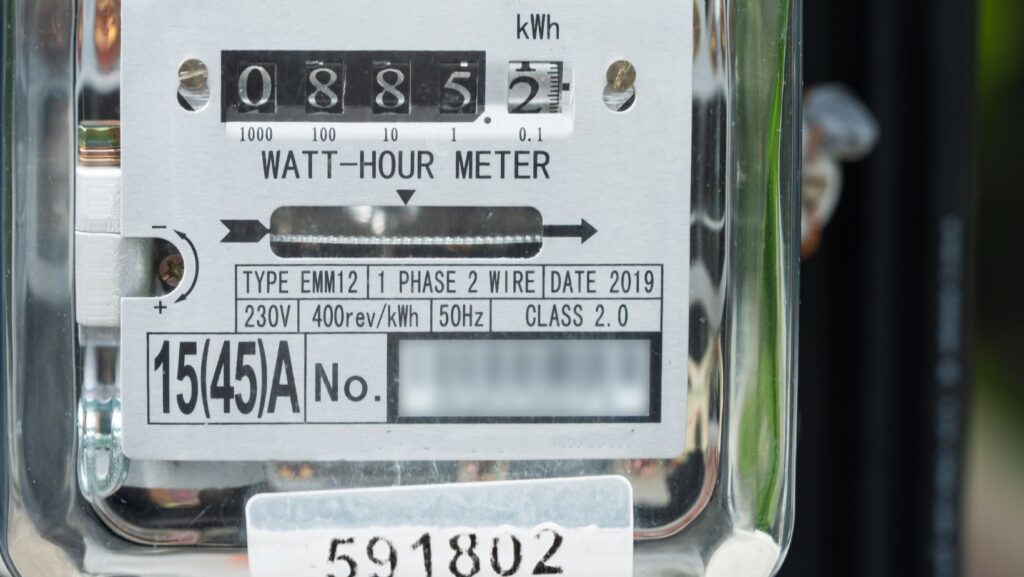
Walk through any office late in the evening and you’ll probably notice a familiar pattern. Lights glowing in empty conference rooms. Monitors left on. A printer humming even though no one’s around. None of these things feel like a big deal on their own, yet together they quietly push energy bills higher month after month.
What’s interesting is how often businesses focus on big upgrades first. New HVAC systems, upgraded lighting, smart building tech. Those certainly help. But there’s a layer beneath all of that, one that’s easier to overlook. Daily habits. Small decisions. The way people interact with their workspace. When those habits shift, even slightly, the impact can be surprisingly meaningful.
Rethinking the “Last One Out” Mindset
Most offices don’t have a clear sense of responsibility when it comes to shutting things down. People assume someone else will turn off the lights or power down shared equipment. The result is predictable. Things stay on longer than they need to.
Creating a simple expectation can change that. It doesn’t have to be formal or heavy-handed. Even a small nudge, like a sign near the exit or a quick reminder during a team meeting, can reshape behavior. Some offices take it a step further and rotate a weekly “closing check” role. It’s a small responsibility, but it brings awareness. And awareness tends to stick.
The Hidden Cost of Idle Equipment
Computers, monitors, and office equipment often sit in standby mode for hours. It feels efficient, but standby still draws power. Over time, that adds up in ways most teams never see directly.
Encouraging employees to fully shut down devices at the end of the day can make a noticeable difference. It might feel inconvenient at first, especially for those who like picking up right where they left off. But once it becomes routine, it barely registers as extra effort.
Another option is enabling automatic sleep settings across devices. That way, even if someone forgets, the system steps in quietly in the background.
Lighting Habits That Often Go Unnoticed
Lighting is one of the easiest places to make quick changes. It’s also one of the most commonly overlooked. Think about how often lights stay on in spaces that are used intermittently. Break rooms, restrooms, storage areas. It’s rarely intentional. People simply move on to the next task.
Motion sensors can help, but behavior still plays a role. Encouraging employees to be mindful about switching lights off, especially in smaller spaces, reinforces a culture of awareness.
Natural light is another piece of the puzzle. Opening blinds during the day and arranging workspaces to take advantage of sunlight can reduce the need for artificial lighting without anyone feeling like they’re sacrificing comfort.
Temperature Preferences and Shared Spaces
Thermostats can quietly become a point of tension in any office. One person feels too cold, another too warm, and the system gets adjusted back and forth throughout the day. That constant shifting doesn’t just affect comfort. It impacts energy use in a big way.
Setting a consistent temperature range and communicating it clearly helps reduce those swings. Some offices even explain the reasoning behind it, connecting comfort with cost savings. When people understand the “why,” they’re more likely to stick with it.
Simple additions like desk fans or light layers can also give individuals more control without affecting the entire building.
Kitchen and Break Room Behaviors
Office kitchens are small energy hubs. Refrigerators, microwaves, coffee machines, dishwashers. They’re used frequently, but not always efficiently. Leaving refrigerator doors open while chatting, running half-full dishwashers, or keeping coffee machines on all day can quietly drive up energy use. Gentle reminders help here. Not strict rules, just small cues. Close the fridge promptly. Wait until the dishwasher is full. Turn off appliances when they’re not in use.
These are the kinds of changes that don’t feel like sacrifices. They’re more like small adjustments in awareness.
Building a Culture Instead of Enforcing Rules
One of the biggest mistakes companies make is turning energy-saving efforts into rigid policies. When people feel monitored or restricted, they tend to push back or ignore the effort entirely. A better approach is to treat it as a shared goal. Something the team is working toward together.
Some offices share monthly energy reports in simple terms. Not overwhelming data, just a snapshot. Others celebrate small wins, like a noticeable drop in usage after implementing a few changes.
That sense of progress creates momentum. It turns energy awareness into something people take pride in, rather than something they feel obligated to follow. This is especially important when thinking about energy efficiency in commercial buildings, where the human element often plays just as big a role as the infrastructure itself.
Small Changes, Lasting Impact
It’s easy to assume that meaningful cost savings require major investments. And sometimes they do. But more often than not, the starting point is much simpler.
A light turned off. A computer fully shut down. A thermostat left alone instead of adjusted five times a day. None of these actions feel significant in isolation. Yet when they become part of everyday behavior across an entire office, the effect builds quietly in the background.
Over time, those small shifts don’t just reduce energy costs. They reshape how people think about the space they work in. And once that mindset takes hold, bigger improvements become easier to adopt. Sometimes the most effective changes are the ones that barely feel like changes at all.